As the implementation of the Packaging and Packaging Waste Regulation (PPWR) approaches, the food packaging industry is preparing for a new stage in its evolution. Recyclability, material reduction, recycled content, and end-of-life design are becoming increasingly important factors in shaping the packaging solutions of the future.
To delve into the ongoing changes and the industry's key development trends, we spoke with Marco Gilardino, Managing Director of Plastic Legno, a company within the Sunino Group, which also includes Resaplast.
The PPWR is often described as a revolution for the packaging industry. Where should companies begin?
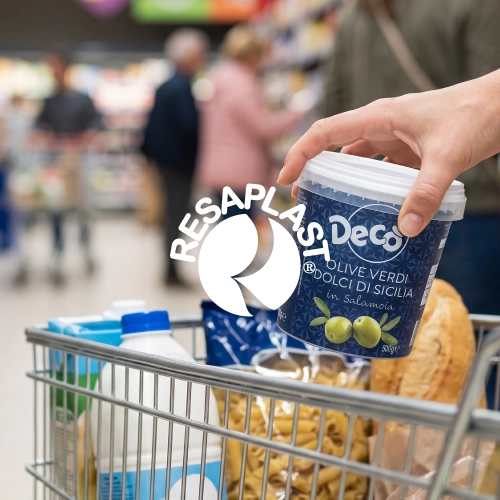
"Rather than a revolution, I would describe it as an acceleration of a transformation that has been underway for years. The core principles of the Regulation—reduce, reuse and recycle—have long been central to our industry. At Plastic Legno, for example, we have progressively optimized the weight and volume of our packaging, reducing material usage without compromising performance or food safety. At the same time, we have invested in the development of mono-material polypropylene packaging solutions featuring IML labels made from the same material as the container itself, making end-of-life recovery and recycling more efficient."
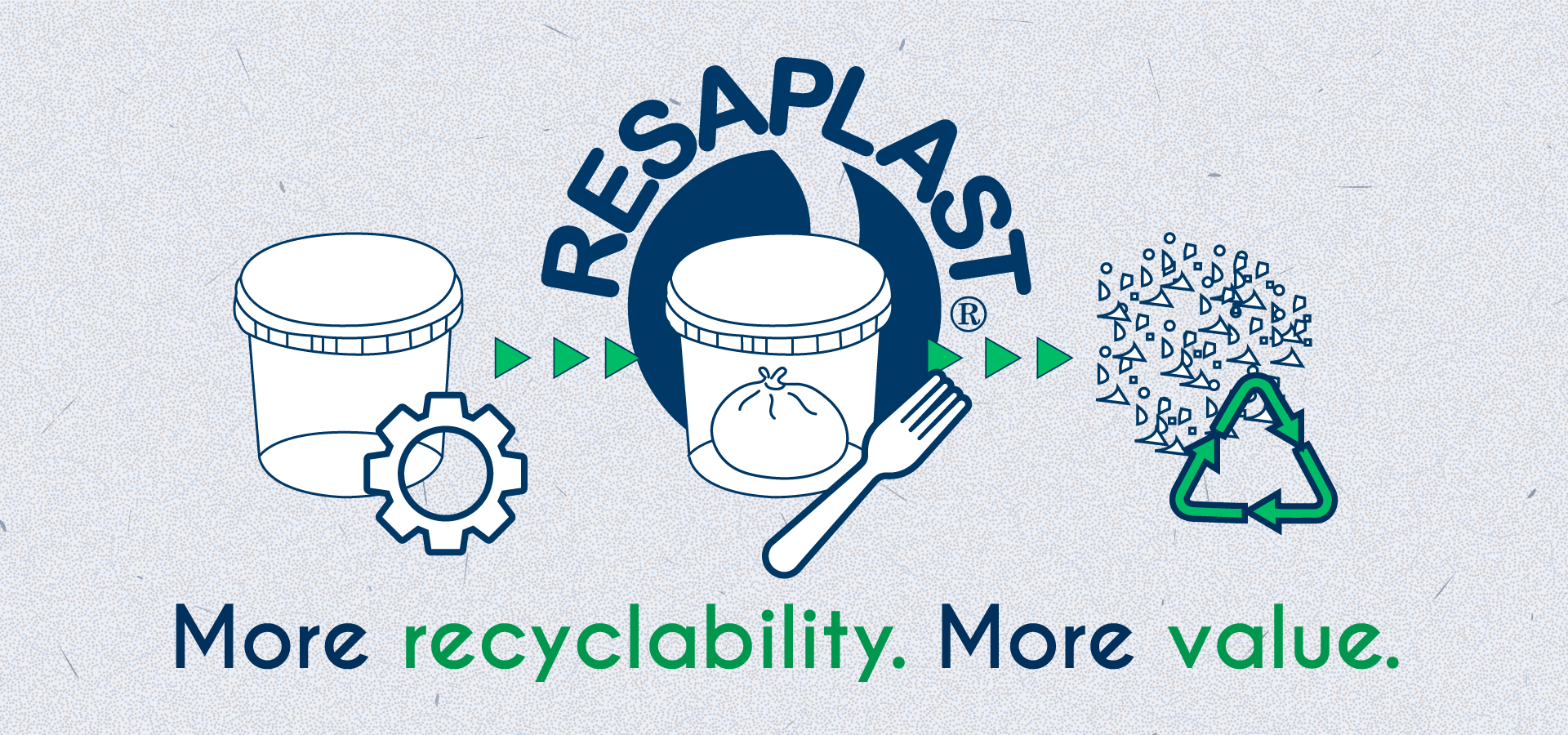
These same principles have long guided Resaplast's approach to developing packaging solutions for the food industry that are mono-material, 100% recyclable, free from unnecessary materials, and designed for reuse.
What does Design for Recycling actually involve?
"It means designing a container with its second life in mind. The focus is not only on the recyclability of the material itself, but also on labels, inks, and any additional components, since each of these elements can affect the quality of the recycled material. That is why we are working closely with our suppliers to identify solutions that can further improve the recyclability of our packaging."
Among the most promising innovations currently under development are new technologies for IML labels. What advantages do they offer?
"The ultimate goal is to obtain increasingly pure recycled polypropylene. Some IML manufacturers are developing films that allow the graphic layer of the label to be separated more efficiently from the plastic substrate during the recycling process through processes such as elutriation or chemical separation. This makes it possible to reintroduce the recovered material into high-value applications while minimizing downcycling, which reduces the value of recycled material."
This is also a key area of interest for Resaplast, which has long adopted polypropylene IML solutions and continues to monitor technological innovations capable of improving the quality of recovered material at the end of its life cycle.
Another major topic is recycled content in food-contact packaging. Where does the industry stand today?
"For some plastics, such as PET, well-established recycling supply chains already exist. For polypropylene, however, the regulatory and technical framework is still evolving, with dedicated technical working groups currently defining future requirements. The decisions made over the next few years will play a crucial role in shaping the future of the industry."
Is the industry ready for this transition?
"Overall, yes. There is a high level of awareness across the entire sector, and companies are investing to adapt to the new regulatory landscape. Some interpretative aspects still need to be clarified—such as the allocation of responsibilities across the different players in the value chain—but the industry is approaching this transition with great commitment."
The introduction of the PPWR and the new technologies currently under development clearly demonstrate the direction the industry is taking: designing packaging that delivers high performance during use while becoming increasingly efficient at the end of its life cycle.
For Resaplast, which has invested for years in the development of recyclable food packaging, this transition represents an opportunity to continue innovating and supporting customers in adopting more efficient and sustainable production models, leveraging not only its own experience but also the industrial expertise, specialized know-how, and applied research activities developed within the Sunino Group.