
Today, packaging is the primary communication tool between the manufacturing brand, the product, and the consumer—a vehicle for immediate communication that shapes consumers’ decision-making processes.
In just a few seconds at the shelf, sight drives the majority of purchasing choices. Shapes, materials, and above all colors become cognitive cues that capture attention and influence perceptions of taste, quality, and healthiness.
Color, in particular, is one of the most powerful tools of neuromarketing—the discipline that integrates neuroscience, psychology, and marketing—to design packaging capable of engaging with the consumer’s subconscious and guiding purchasing behavior.
Recent studies conducted by Fudan University in Shanghai and published in the scientific journal Nature have scientifically demonstrated the influence of packaging colors on the perceived caloric content of a product and on consumers’ resulting food choices.
Within a virtual-reality supermarket, researchers presented participants (over 150 young adults) with packages identical in shape and size but different in color: red and green. The results for the two colors were clear:
Color acts as a cognitive shortcut, influencing the nutritional perception of a product and steering often unconscious choices. It is also interesting to note that for foods already perceived as healthy (such as nuts, yogurt, or cereals), the effect of color is marginal; in these cases, consumers’ pre-existing beliefs prevail.
If green leads to an underestimation of a food’s caloric content, it may also encourage overconsumption; conversely, red may function as a warning signal, discouraging impulsive purchases of high-calorie foods. The study therefore suggests integrating the strategic use of color codes into companies’ production choices and food policies as tools to promote more conscious food decisions among consumers.
This opens up important scenarios for the Food & Beverage sector. Color becomes a strategic tool to:
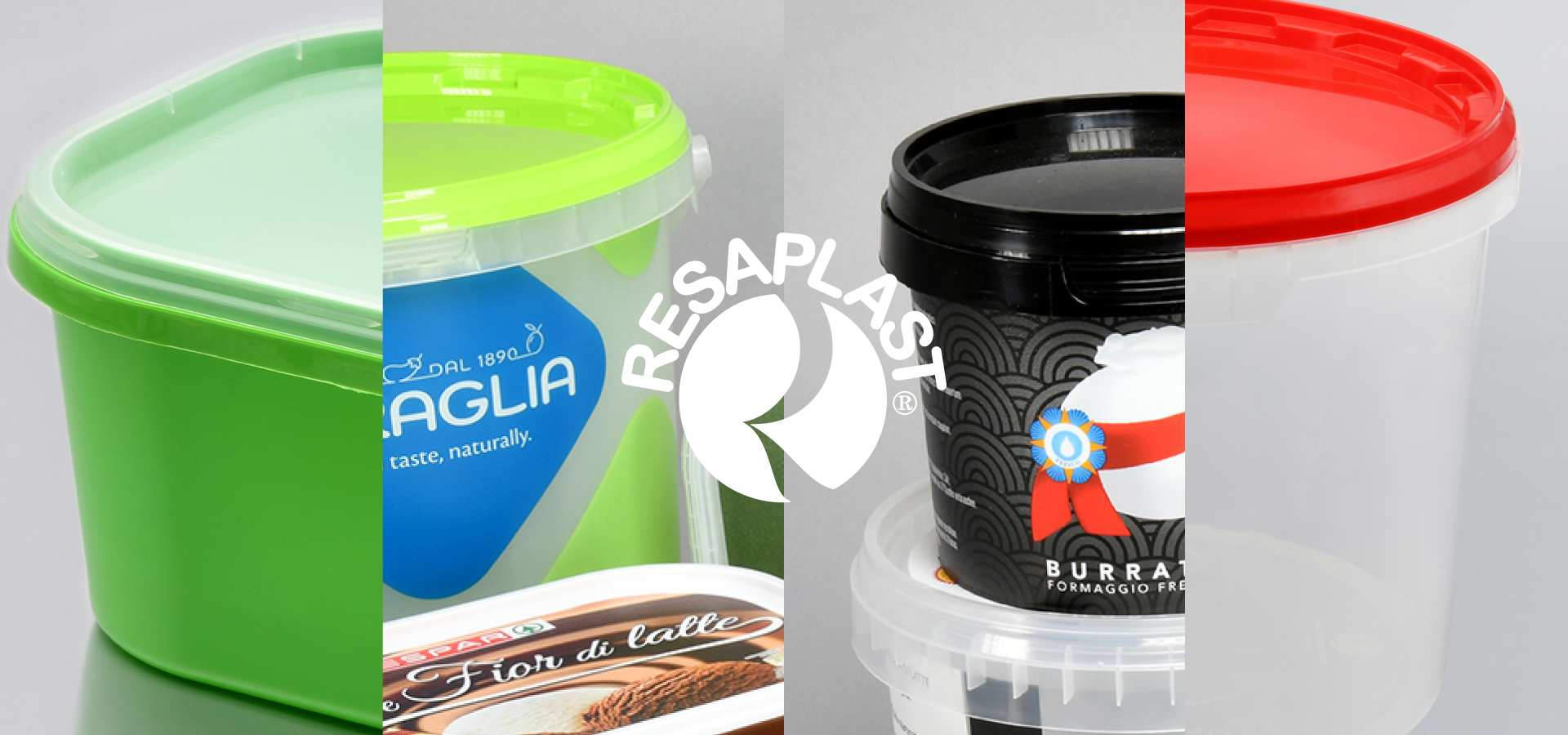
At Resaplast, packaging color goes beyond aesthetics. We offer customized, repeatable color solutions, with a range of food-contact-safe shades, from lighter to darker tones, calibrated in transparency and opacity according to customer needs.
As specialists in food packaging, we approach this aspect with a precise methodology:
The study by the University of Shanghai confirms what the packaging industry has long observed: color guides choices and alters how consumers interpret food products.
Understanding the psychology of color and applying it consciously means transforming a container into an effective marketing and communication tool—one that enhances the product and supports brand positioning in the market.
Choosing Resaplast means opting for a partner that understands that color science is an integral part of the purchasing experience and commercial success.