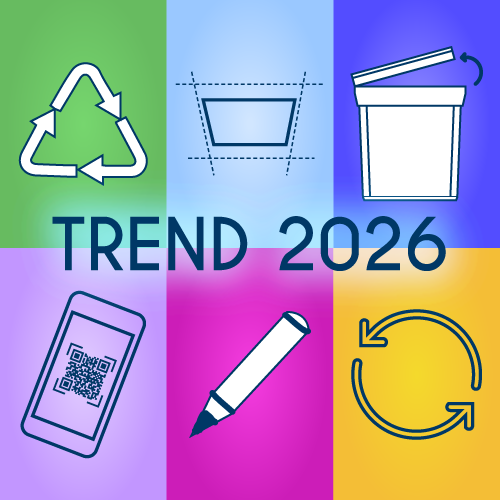
More and more consumers are choosing ready-to-eat foods and the need for convenient, “on-the-go” solutions. This trend has set new priorities for the food packaging sector
In food packaging, talking about “ecological transition” means rethinking plastics — designing them to last, to be reused, and to return as a resource.
According to a study by TEHA Group, the industry contributes 4.9% to the total of the manufacturing sector and is driven primarily by the transformation segment, which generates 74.7% of…
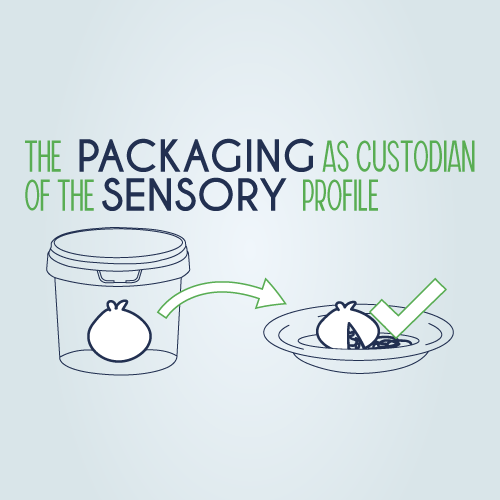
In the world of food packaging, the quality of a container is not measured solely by its durability or the safety it provides, but also by its functionality and its…
Innovation, sustainability, flexibility and adaptability to the needs of the food industry are the key factors driving the change and reshaping the value of food packaging.
Packaging and Packaging Waste Regulation (PPWR), a legislative package designed to address the environmental emergency and drastically reduce packaging waste, one of the main sources of pollution in Europe.
Today, sustainability is no longer just an added value but an essential criterion in purchasing decisions, especially in the food and large-scale packaged goods sectors.
In the competitive food industry, logistical efficiency and storage are critical factors for business success. In this context, food packaging is not just a protective container but a strategic asset…