For the food packaging sector, 2026 is expected to be a year of consolidation of the macro-trends that have already emerged in recent years. Innovation, sustainability, and safety are becoming essential elements in the industrial model of companies that aim to remain competitive. At Resaplast, we are specialists in the production of food-grade polypropylene packaging and we are called upon to interpret these trends through technical rigor, research, and practical application.
The ongoing transformation is driven by three main factors.
Informed and demanding consumers
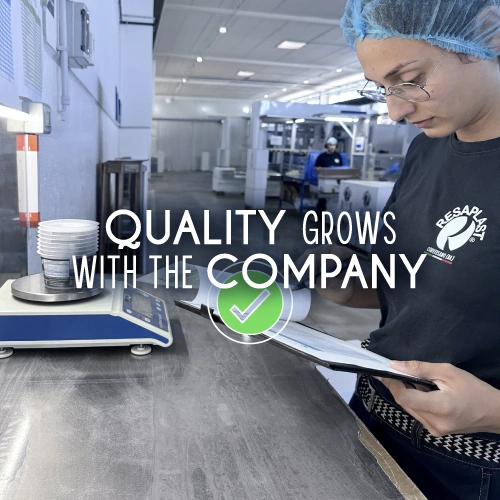
The growing attention of consumers to health and transparency is reshaping the dialogue between industry and market. The focus is on the complete safety of the materials used in packaging and the absence of potentially harmful substances. As a result, buyers increasingly require higher and certified levels of safety and transparency regarding material composition. In response, Resaplast implements systematic controls and process analyses, ensuring the full suitability of PP for food contact, its compliance with MOCA regulations and the most important industry certifications, guaranteeing: compositional suitability of materials, compliance in terms of overall and specific migration limits, functional suitability of the packaging, purity of non-plastic components, and microbiological safety.
Strict European regulations
The new European regulatory framework, driven by the Packaging and Packaging Waste Regulation (PPWR), makes sustainability an essential industrial requirement. Reuse, recyclability, waste reduction, and circular design are becoming indispensable parameters. At Resaplast, we integrate these principles daily into our production model.
New market dynamics
The expansion of food e-commerce requires packaging capable of withstanding the complex logistics typical of online shipments, while protecting organoleptic properties and ensuring optimized shelf life. Resaplast PP containers meet these requirements thanks to mechanical strength, dimensional stability, secure closure systems, and thermal insulation, offering solutions suitable for complex supply chains and digital distribution.
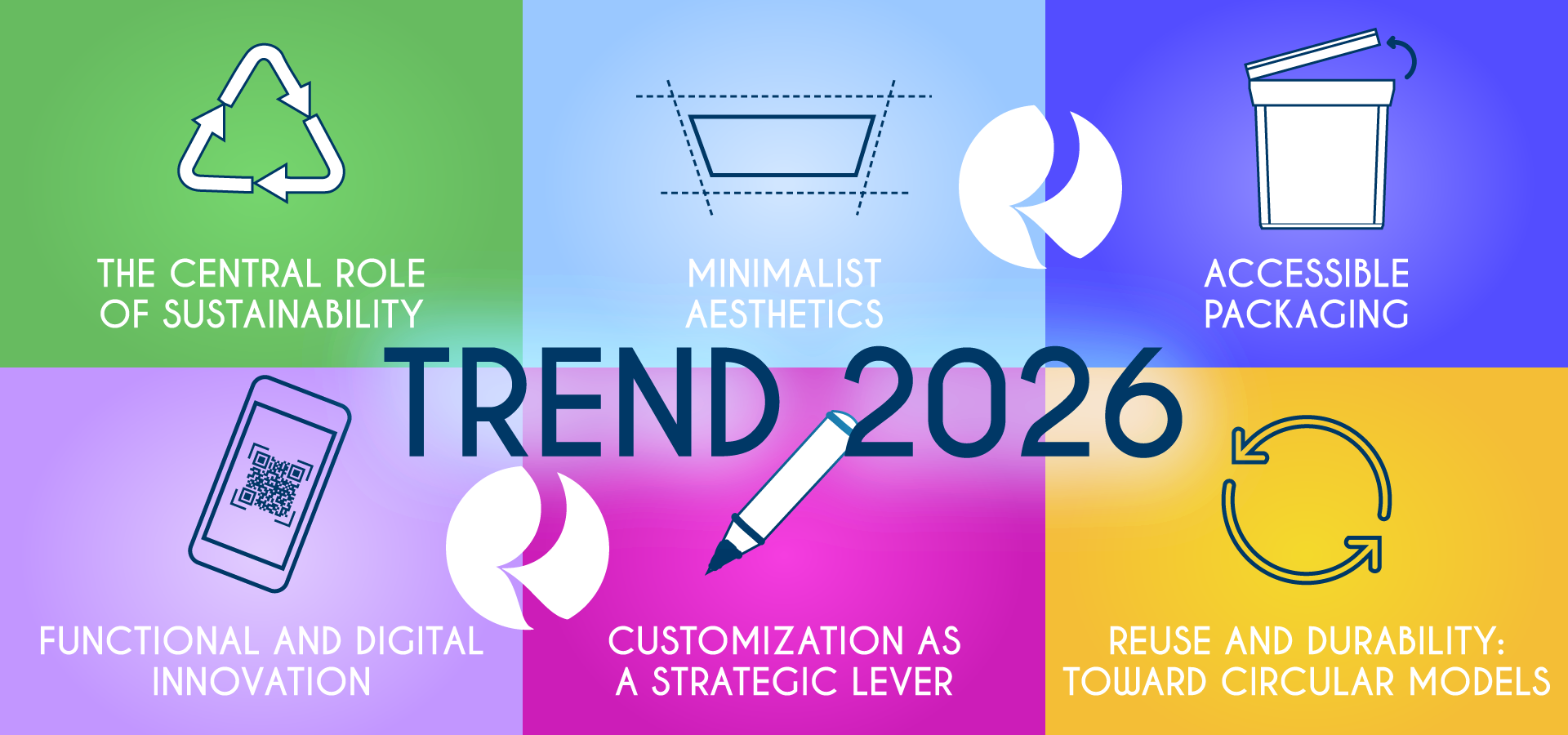
It is within this context that the trends redefining food packaging in 2026 are taking shape.
Packaging is no longer a simple container; it has evolved into a central lever for the entire food supply chain and a key component of a product’s value proposition.
Resaplast addresses these challenges by integrating material innovation, digitalization, food safety, and circular design into a single industrial model, to meet the needs of today’s and tomorrow’s market.