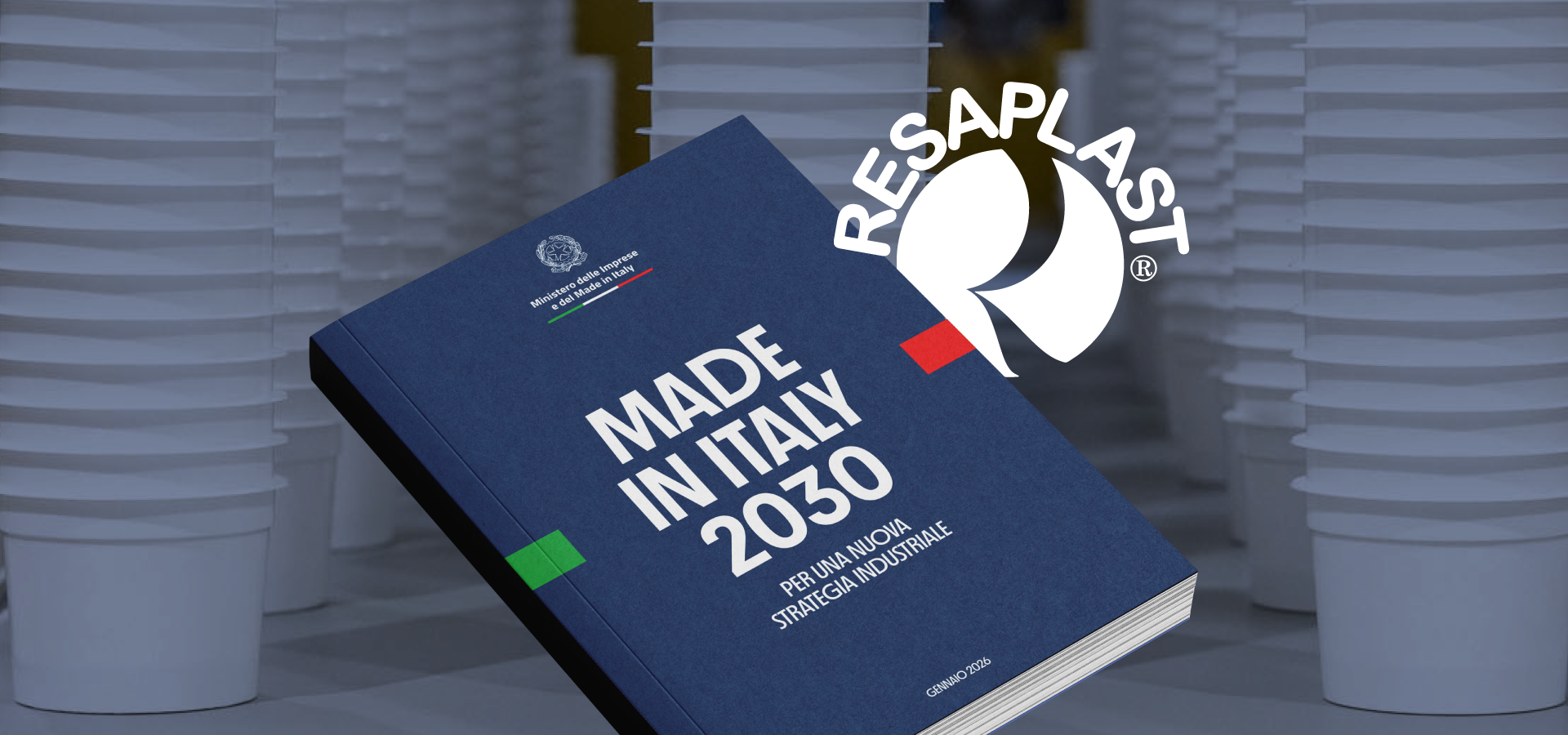
The new White Paper on Made in Italy 2030, presented by the Italian Ministry of Enterprises and Made in Italy, assigns the packaging sector a leading role within the national industrial system, officially recognising it as one of the country’s eight enabling sectors.
This acknowledgement reinforces the central function of the sector within Italy’s productive ecosystem, positioning it as a structural component of the competitiveness of Made in Italy on international markets.
A cross-sector value chain supporting industry
Enabling sectors act as industrial infrastructures that support and enhance the competitiveness of Italy’s main production systems. The packaging industry fully aligns with this definition, operating transversally across multiple sectors and influencing their efficiency, innovation capacity, and ability to evolve.
From agri-food to pharmaceuticals, from fashion to logistics, every industry relies on packaging solutions that ensure product protection, preservation, transport, and communication. In this context, the packaging industry is positioned downstream of most industrial sectors.
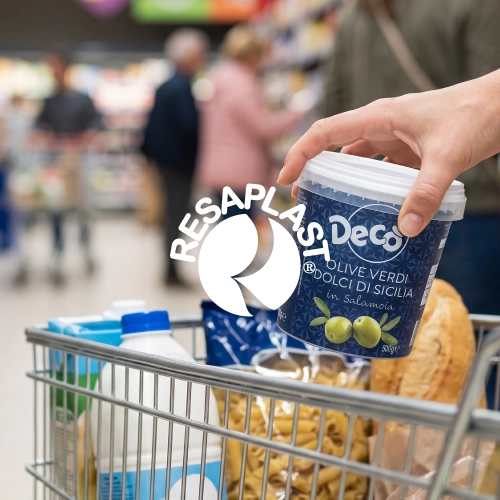
Within the food industry, this role becomes even more critical and enabling: packaging ensures food safety and hygiene standards, preserves organoleptic properties, and extends shelf life, making large-scale distribution possible. In this sense, packaging acts as a key connection point between production, distribution, and consumption.
From cost item to strategic lever
Being included among the enabling sectors also marks a shift in perspective, as it fully recognises the economic weight of packaging, no longer seen as a simple operational cost but as an industrial lever capable of influencing competitiveness, innovation, and sustainability across supply chains.
This recognition further strengthens the role of the sector within the broader framework of industrial autonomy, opening up new opportunities in terms of investment and innovation.
A strong and competitive sector
Recent estimates confirm the strength of Italy’s packaging industry: over €51 billion in total value, more than 17 million tonnes produced, over €37 billion in total turnover, and exports exceeding €12 billion.
These figures highlight not only the economic relevance of the sector, but also its resilience and adaptability, even in complex economic environments.
Innovation, sustainability and technology as drivers of evolution
The success of Italy’s packaging industry is built on several key factors: material innovation, design driven by recyclability and circular economy principles, production flexibility and customization, process digitalisation, and reduced environmental impact.
These are not merely responses to market demands, but true strategic drivers shaping global competitiveness.
The role of companies: the Resaplast case
Institutional recognition also highlights the responsibility of companies operating within the industry. Working in food packaging means dealing with extremely high standards alongside increasing regulatory and market complexity.
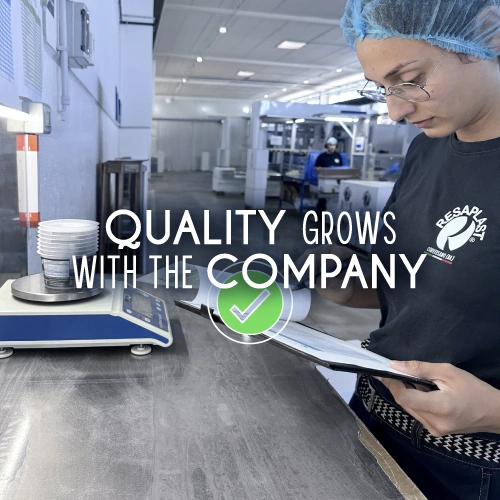
For companies such as Resaplast, specialized in polypropylene food packaging, this translates into a continuous commitment across multiple areas: food safety, regulatory compliance, production innovation, and the development of tailor-made solutions.
The aim is to turn packaging into an active component of the value chain, capable of influencing performance, sustainability, and the positioning of the final product.
A lever for industrial policy
The recognition of the packaging sector as an enabling industry represents both a milestone and a starting point. To generate tangible impact, this vision must be translated into coherent industrial and regulatory policies, based on industrial data and technical evidence, targeted investments, and the direct involvement of production ecosystems.
For companies such as Resaplast, this means continuing to invest in technology, quality, and industrial innovation, contributing to the economic and industrial development of a sector that not only supports Made in Italy, but also represents one of its key drivers of evolution.