
The plastics supply chain is currently facing a challenging phase, where the combination of geopolitical instability and the energy crisis is undermining the competitiveness of the European manufacturing sector, putting companies’ planning capabilities to the test, especially for small and medium-sized enterprises.
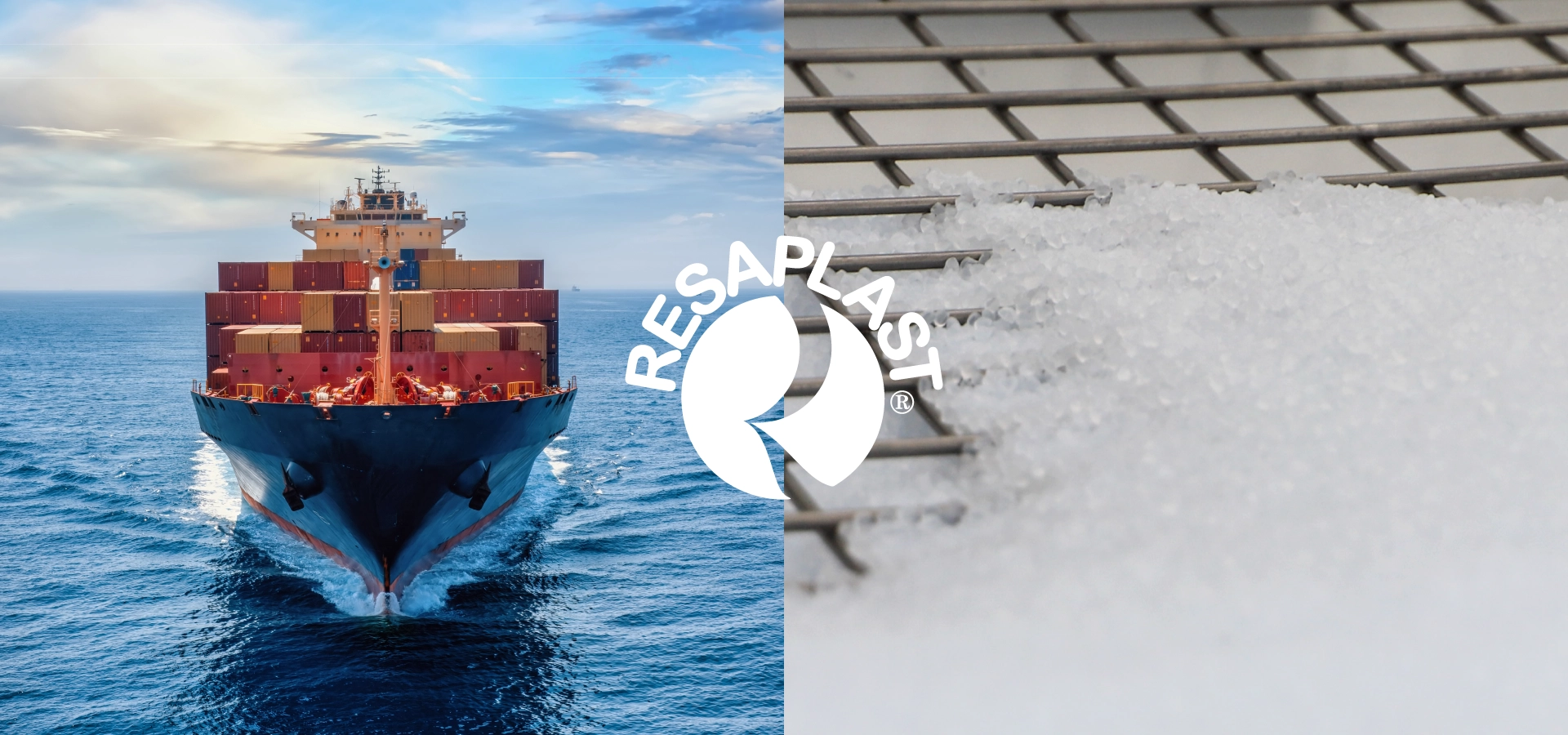
Current geopolitical tensions in the Middle East – a crossroads for oil and oil derivatives production and energy trade – are affecting energy costs, the availability and price of raw materials such as polypropylene, and international logistics flows along major trade routes. This situation has direct effects on supply and delivery times, as well as transport costs, creating an uncertain context that is difficult to manage.
For the plastics sector, this translates into increasing pressure on margins and the need to rethink operational models and industrial strategies for all actors in the supply chain.
For the food packaging industry, these factors are particularly critical. Packaging intended for food contact must comply with strict quality and safety standards, making it impossible to adjust materials or processes to offset rising costs. In this context, the resilience of the supply chain becomes essential – the ability to ensure production continuity, quality stability, and regulatory compliance even under conditions of high instability.
Companies in the sector, including us at Resaplast, respond with a structured approach focused on proactively managing complexity through targeted strategies based on:
Today more than ever, the Italian plastics supply chain represents excellence and requires support through appropriate industrial policies, while also demanding internal adaptability to face operational challenges and questions about the future of the sector.
“Despite the investments and efforts made, the situation remains delicate and complex. Here at Resaplast, we try to turn these challenges into opportunities to manage resources more consciously, improve processes, and strengthen our responsiveness. It’s not about controlling every variable, but about being as prepared as possible for the challenges the market presents to us,” explains Manuela Caprio, Production Planner at Resaplast.
In such a rapidly changing context, facing uncertainty with method and awareness becomes an indispensable condition for all companies in the supply chain. Recognizing external variables and managing them with a proactive approach is the only way to ensure the long-term resilience of the sector.